Signs you need extensions — and what to do next
By Project X Constructions
Signs you need extensions — and what to do next
Deciding to extend is as much about lifestyle as it is about space. After 17 years delivering renovations and extensions across Brackley and the surrounding villages, I’ve seen the same handful of problems push homeowners towards building out. Below are the most reliable signs an extension could be the right move — and practical next steps to get the job started without stress.
Common signs you need an extension
You’ve lost usable living space
If the lounge doubles as a playroom, the dining table is permanently cleared for homework, or you’ve had to convert a garage or loft into a bedroom, your home’s layout is no longer serving daily life. An extension restores dedicated rooms and improves flow.
The kitchen is repeatedly too small
Modern living requires circulation, prep space and storage. If cooking means everyone is inconvenienced, or you can’t fit full-size appliances and a dining area together, a rear or side extension can unlock an open-plan kitchen-diner.
Homeworking crushes your day
A converted hallway or corner desk isn’t sustainable if you spend full days at home. A small single-storey extension or a side-return build can provide a quiet study or office with daylight and separation from family areas.
Growing family or changing needs
Baby to teenager in a few years, or requiring ground-floor living for mobility reasons? Two-storey extensions or downstairs bedroom and wet-room options are common solutions.
Poor natural light or awkward layout
East–west orientation, high party walls or narrow period houses can feel dark and cramped. A carefully placed extension can introduce light and improve circulation, not just add square footage.
Storage problems and functionality
If cupboards are overflowing, utilities are in the wrong place, or you spend time moving things around for access, an extension designed around storage and utilities will save time and stress.
Before you call a builder: quick checks to make
- Sketch how you’d use the new space. List must-haves (extra bedroom, kitchen island, utility room) and nice-to-haves.
- Measure available garden or side-space roughly — you don’t need exact figures, just an idea of depth and width to check feasibility.
- Check planning constraints: conservation area, listed status, proximity to party walls and protected trees can affect options.
- Talk to neighbours informally. Good neighbourly relations make party wall agreements and temporary access easier.
Practical next steps: a simple route to a successful project
- Book a site visit and brief
A site visit from an experienced builder or design team quickly answers feasibility questions. Give them your sketch and priority list so they can propose suitable options.
- Feasibility and design options
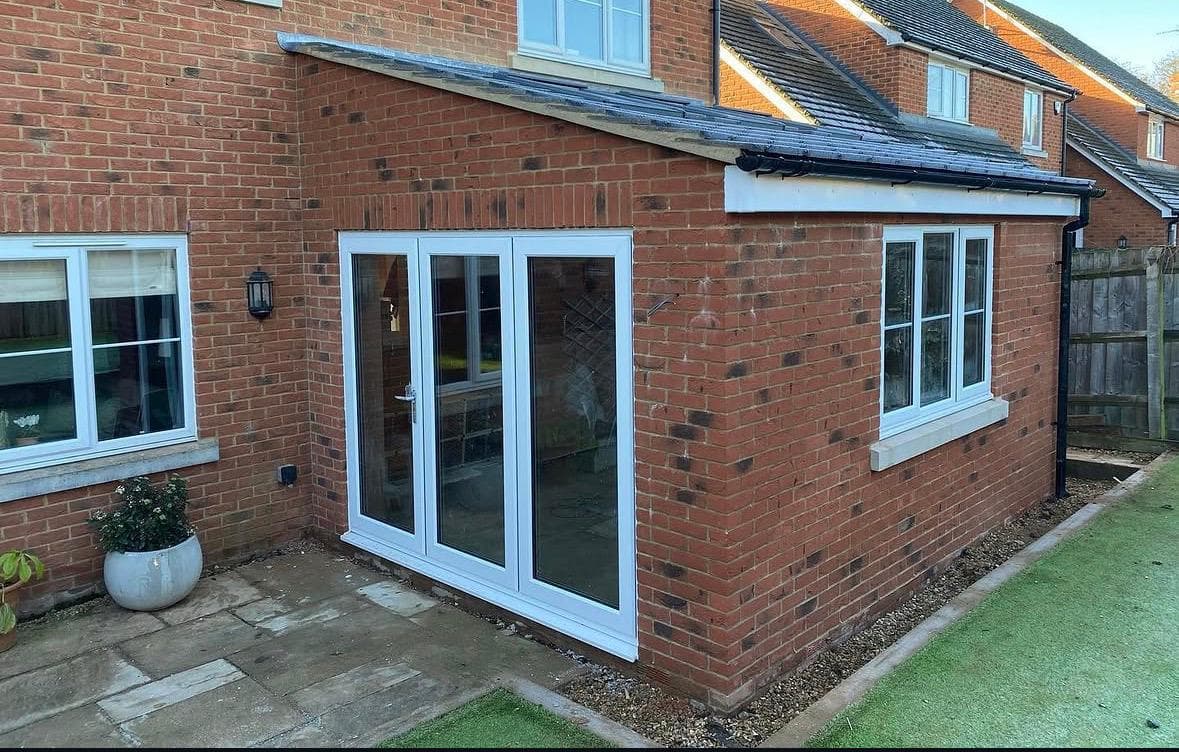
Expect simple sketches first — single-storey rear, side-return, wraparound or two-storey options. At this stage we think about foundations, rooflines, levels and how the new build ties into existing brickwork and floors.
- Planning and building regs
Many single-storey rear and side extensions fall under permitted development, but not always. Two-storey additions, changes to elevations, or extensions in conservation areas often need planning permission. Building regulations drawings and structural calculations follow once a design is chosen.
- Get written proposals and check scope
Ask for a detailed proposal that lists the works, key materials, timescales and how disruptions will be managed. Compare at least two written quotes, and check credentials — certifications in bricklaying or specialised trades such as liquid screed mean better technical delivery for walls and floor finishes.
- Confirm insurance and guarantee
Make sure your contractor carries appropriate public liability insurance. A written installation guarantee provides long-term reassurance — we provide a 10 year installation guarantee backed up by supplier guarantees where applicable.
- Plan site logistics
Consider access for materials, welfare facilities, skips and any temporary arrangements for parking or utilities. Good planning reduces delays on site.
Factors that affect time and cost (what to expect)
Size and complexity, ground conditions, foundations, drainage connections, and the standard of internal finishes all influence the programme and budget. Structural work such as steel beams, underpinning or complex roof ties adds time. Matching brickwork on older Brackley properties or installing specialist screeds to achieve level floors are technical elements that affect both cost and finish.
Choosing the right contractor
Look for hands-on experience, clear communication and trades certifications. Check for public liability insurance and a written guarantee. Ask to see recent projects of the same type and request client references. A builder who offers full-service delivery — design, site management, plastering and final finishes — reduces the number of subcontractors you need to manage.
Final thought
An extension transforms how you use your home, but the right preparation makes the difference between disruption and a smooth project. With 17 years’ hands-on experience in Brackley, certified bricklaying and liquid screed expertise, and a 10 year installation guarantee, our approach focuses on clear communication and practical workmanship from first sketch to handover.
If you’re seeing any of the signs above and want a straightforward, no-pressure site visit and written proposal, get in touch to book a survey and talk through options for your property.