Will External Wall Insulation Improve Your Home’s Insulation?
By Projex Constructions Ltd
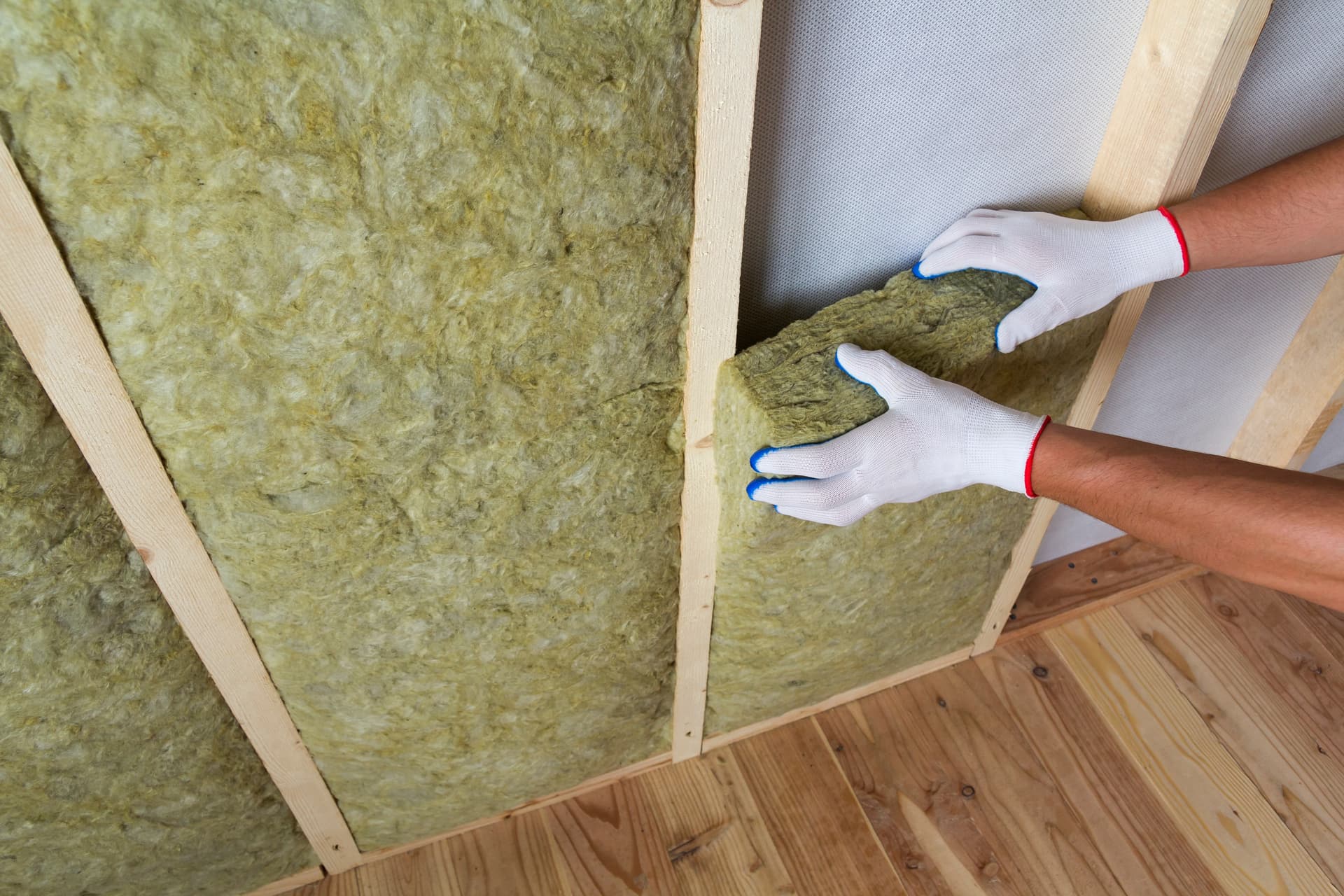
The answer depends on more than the insulation board
External wall insulation can reduce heat loss through walls, but the benefit in your home depends on how those walls are built and how the new insulation connects to the rest of the building. The same system can make a worthwhile difference to one property and deliver less noticeable gains to another.
That is why it helps to look at the wall as a whole, not just the insulation material. If you are considering External Wall Installation Systems, here are the property-specific factors that shape the decision.
Start with the wall construction
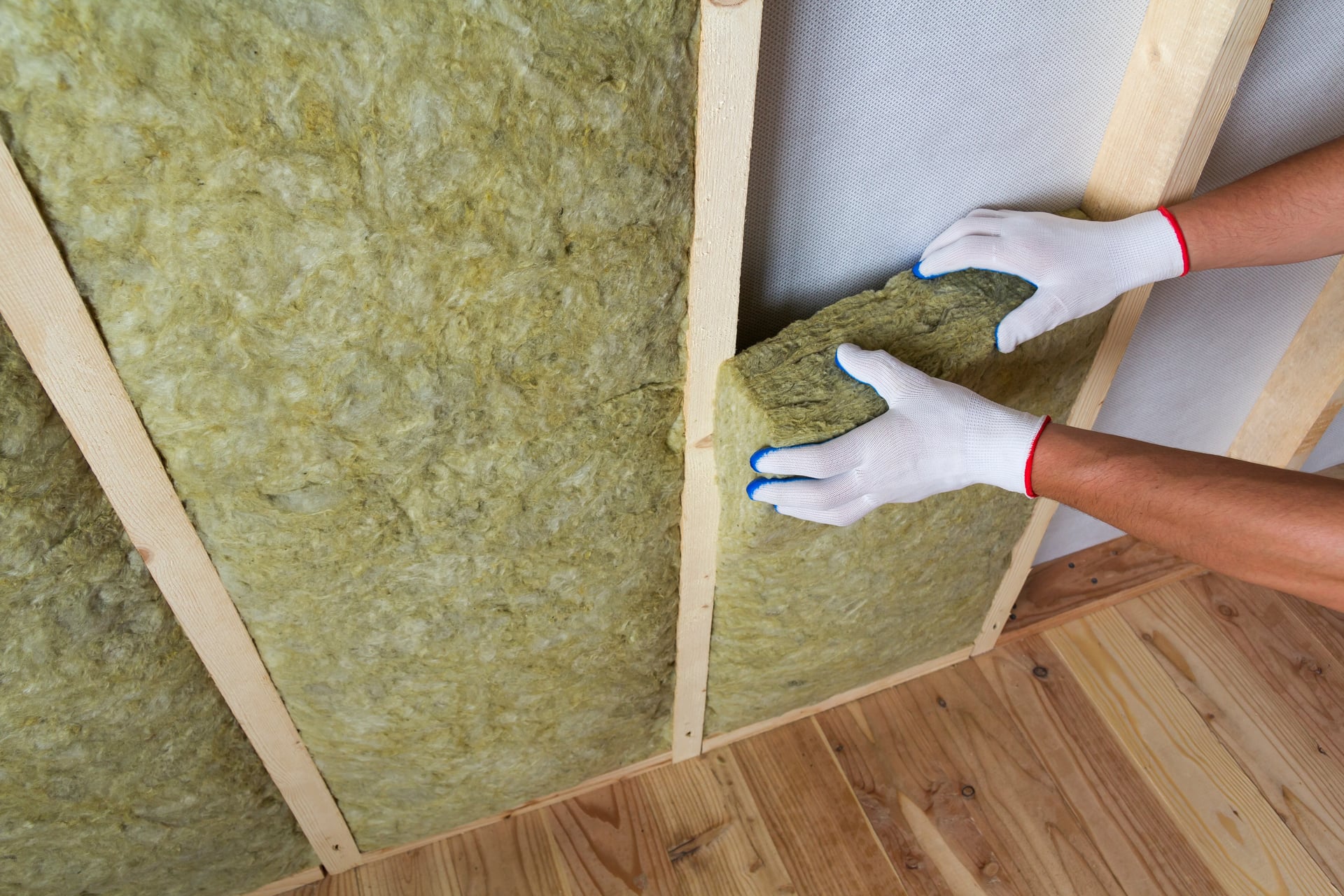
A solid brick or stone wall loses heat differently from a cavity wall. With solid walls, insulation fitted externally can add a continuous layer outside the masonry. This can reduce heat moving through the wall, provided the layer is suitable for the building and is detailed properly at its edges and junctions.
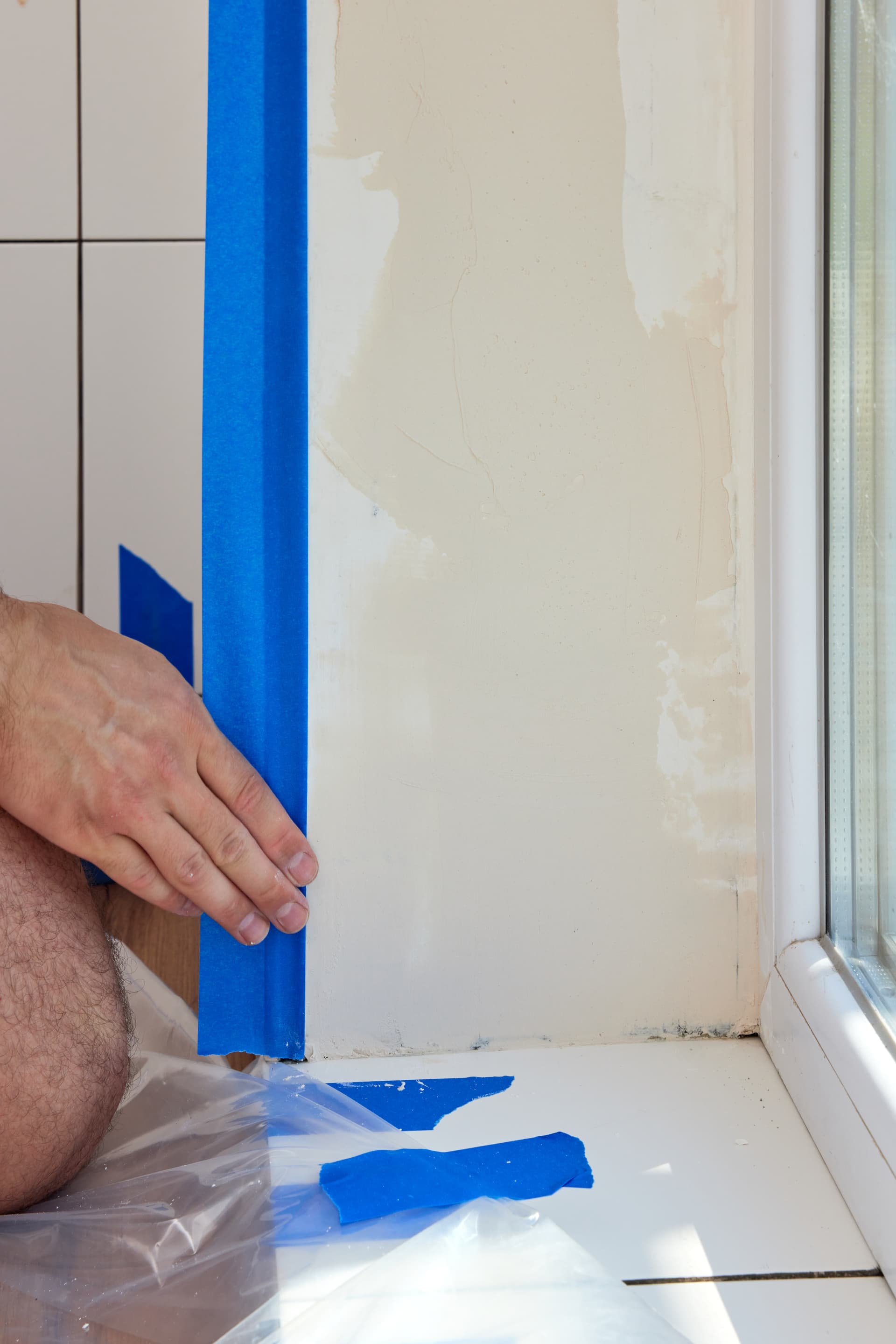
A cavity wall may already have insulation within the cavity, or it may be uninsulated. Adding insulation externally is not automatically the right next step. The existing layers that make up the wall needs to be understood first, including whether there are signs of damp or problems with the masonry. Covering over an unresolved issue can make it harder to identify later and may leave the underlying cause untouched.
The age of a house can offer clues, but it is not a reliable substitute for checking how it was actually constructed. Extensions, alterations and repairs may mean different parts of the same property have different wall types. A Brackley home that appears straightforward from the outside may need each outside wall considered on its own.
Junctions can affect the result
Heat does not pass through walls alone. It can also escape around window and door reveals, at the edge of floors, where walls meet the roof, and where an external wall joins another part of the building. These areas are known as thermal bridges: points where the insulation layer is interrupted or less effective.
A useful assessment considers how the new insulation will meet these details. For example, the available space at a space around a window opening may limit how the insulation can continue around the opening. At roof edges, the roof edge and its construction affect how the wall insulation can be finished. If the layer stops abruptly at a junction, the wall’s overall performance may fall short of what you expect from the insulation itself.
The layout matters too. Boundaries, neighbouring buildings, pipes, meter boxes and other fixtures can affect where insulation can run and how it can be finished. These constraints do not necessarily rule out the work, but they need to be considered before a system is selected.
Check what is driving the heat loss
External wall insulation addresses heat loss through walls. It does not directly improve a poorly insulated roof, draughty windows or heat escaping through floors. If those are the main sources of heat loss, insulating the walls alone may not produce the change you are hoping for.
Think about what you notice in the rooms and where it occurs. Are some rooms consistently harder to keep comfortable than others? Do those rooms share an external wall, or do they have other features such as large windows or a position beneath an uninsulated roof space? Observations like these help frame the discussion, but they do not identify the cause by themselves.
It is also worth distinguishing heat loss from a moisture problem. Damp patches or mould should not simply be covered by a new wall finish. The source needs to be understood before work is planned, because insulation does not fix leaks or other moisture sources.
What to discuss before choosing
For your property, the useful questions are practical: what are the walls made from, is there insulation already, and where can a continuous layer be achieved? Ask how openings and roof and floor junctions will be handled, and whether existing defects need attention first. Also consider how the finished wall will meet boundaries and any features fixed to the outside wall.
No single answer applies to every house in Brackley, Banbury, Bicester, Buckingham or the surrounding villages. Construction, previous alterations and the condition of the existing walls all influence what is suitable. At Projex Constructions Ltd, we can discuss those property-specific considerations as part of a conversation about external wall systems. A quote should be based on the actual building and the work required, rather than insulation thickness alone.